Engaging a landscape design professional for the first time can feel like stepping into unknown territory. What actually happens? How long does it take? What do you need to provide? This guide walks you through the typical design process so you know exactly what to expect.
Phase 1: Initial Consultation
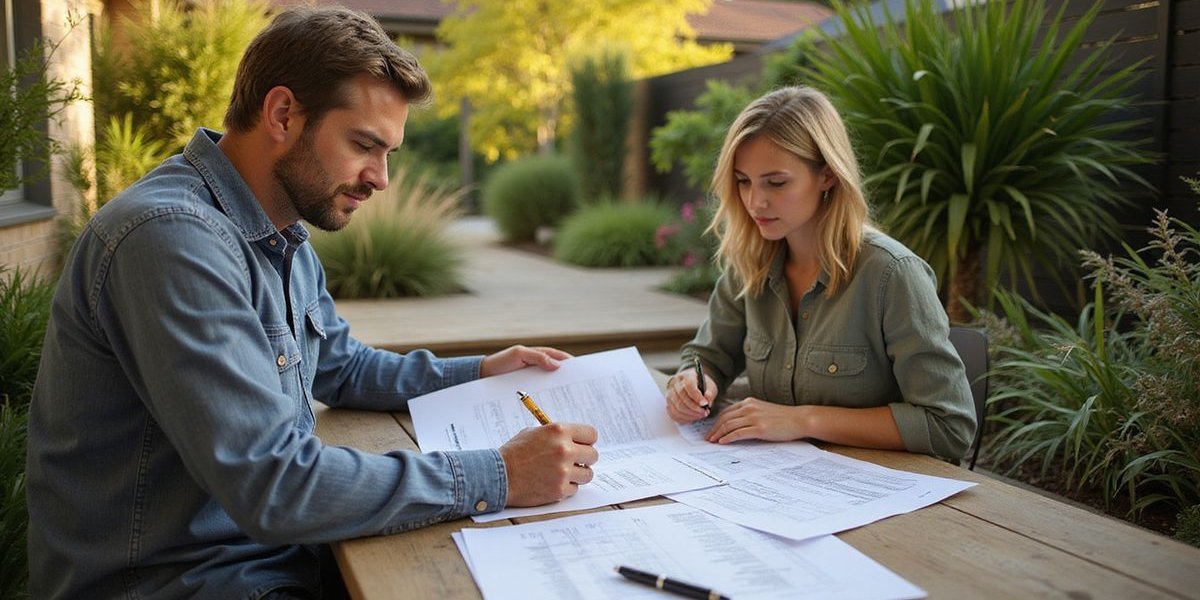
The process begins with an on-site consultation, typically lasting 60-90 minutes. During this meeting, your designer will:
Assess Your Site
We walk the property together, noting conditions like soil type, drainage patterns, sun exposure, existing vegetation, views (good and bad), and any physical constraints.
Understand Your Needs
This is where we listen. How do you want to use the garden? Who uses it – kids, pets, elderly family members? Do you entertain frequently? Are you keen gardeners or prefer low maintenance? What do you love about gardens, and what don’t you like?
Discuss Practical Matters
Budget, timing, any planned house extensions, council restrictions – these practical considerations shape what’s possible.

Share Ideas
While it’s too early for detailed designs, a good designer will share initial observations and possibilities. This gives you a sense of their thinking and approach.
Explain the Process
You’ll receive a clear explanation of what happens next, expected timeframes, and costs for design services.
Phase 2: Site Survey and Analysis
After the consultation, if you decide to proceed, the designer conducts detailed site analysis:
Site Survey
Accurate measurements of the site, including levels (crucial for sloping blocks), existing features, boundaries, and access points. This forms the base plan for all design work.
Condition Assessment
Detailed assessment of soil conditions, drainage patterns, sun movement through the day and seasons, wind exposure, and microclimate variations across the site.
Existing Vegetation
Assessment of existing plants – what’s worth keeping, what’s struggling, what’s causing problems, and any trees protected by council overlays.
Services Location
Identifying underground services (water, sewer, gas, electricity) that constrain where you can build or plant.
Phase 3: Concept Design
This is where creativity begins. The concept design establishes the overall vision for your garden:
Design Development
Working from site analysis and your brief, the designer explores options for organising the space. This often involves hand sketches and quick studies before refining a preferred direction.
Concept Presentation
You’ll typically receive a scaled plan showing:
- Overall layout and spatial arrangement
- Key features and zones
- General planting character
- Material palette suggestions
- Any structures or major elements
Discussion and Refinement
Concept designs are presented in person so we can discuss the thinking behind decisions and gather your feedback. Revisions refine the concept until you’re happy with the direction.
Phase 4: Detailed Design
Once the concept is approved, detailed design develops everything to construction-ready level:
Planting Design
Detailed plant schedules specifying exact species, sizes at planting, quantities and positions. This ensures you get the plants that will thrive in your conditions and create your desired aesthetic.
Hardscape Details
Specifications for paving, decking, walls, fences and structures – including materials, dimensions, finishes and construction details.
Services Layout
Plans for irrigation, lighting and drainage showing locations, connection points and specifications.
Documentation
All this information is compiled into a clear document package that landscapers can quote from and build to.
Phase 5: Construction (The Landscaper’s Role)
With design documentation complete, the project moves to construction:
Quoting
Your designer can recommend landscapers, or you can seek your own quotes. Detailed documentation means landscapers quote on the same scope, enabling true comparison.
Construction Review
Many designers offer construction review services – site visits at key stages to ensure the garden is being built to specification. This protects your investment and resolves questions before they become problems.
Practical Completion
When construction is complete, a final walkthrough identifies any defects or outstanding items for the landscaper to address.
Typical Timeline
For a straightforward residential project:
- Initial consultation: 1-2 hours
- Site survey and analysis: 1-2 weeks
- Concept design: 2-4 weeks
- Detailed design: 3-6 weeks
- Quoting and landscaper selection: 2-4 weeks
- Construction: 4-12 weeks depending on scope
Complex projects, council approvals or busy periods can extend these timeframes.
What You Need to Provide
To help your designer:
- Property survey if you have one (from when you purchased)
- House plans showing doors, windows and drainage points
- Council planning documents if relevant
- Inspiration images showing styles and elements you like
- Budget indication – even a broad range helps
- Access to the site for survey and meetings
Making the Relationship Work
Be Open About Budget
Designers work better with honest budget discussions. We can suggest where to invest and where to economise.
Share Your Lifestyle
The more we understand how you live, the better we can design spaces that genuinely work for you.
Trust the Process
Good design takes time. Rushing through phases rarely produces the best outcomes.
Communicate Concerns
If something isn’t working or you have questions, raise them early. Design is collaborative.
Ready to Start?
Understanding the design process helps you engage with confidence. Each phase builds on the previous one, progressively developing your garden from initial ideas to construction-ready documentation.
Contact us for an initial consultation to begin your garden transformation journey.