Retaining walls are essential infrastructure on Melbourne’s many sloping properties and a key component of professional landscape design. The choice of wall type affects appearance, cost, longevity and maintenance requirements. This guide compares your options to help you make an informed decision.
Understanding Retaining Wall Requirements
When Walls Need Engineering
In Victoria, retaining walls over 500mm in retained height typically require engineering design and certification. Walls over 1m may need council building approval. Always verify requirements for your specific situation.
Key Considerations
- Retained height: How much soil the wall must hold back
- Surcharge loads: What sits above the wall (buildings, vehicles, sloping ground)
- Drainage: Critical for all wall types
- Soil conditions: Affects foundation requirements
- Access: For construction equipment and materials
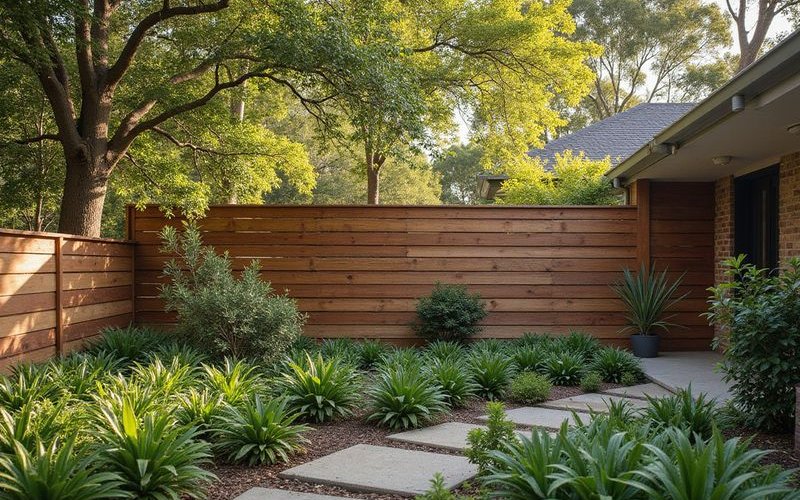
Timber Retaining Walls
Types
- Treated pine sleepers: Most affordable option
- Hardwood sleepers: More durable and attractive
- Recycled railway sleepers: Character appearance
Advantages
- Lower cost than other options
- Natural, informal appearance
- Relatively easy to construct
- Works well in bush settings
- Can be DIY for small walls
Disadvantages
- Limited lifespan (15-25 years for treated pine, longer for hardwood)
- Height restrictions (typically under 1m without engineering)
- Can decay in wet conditions
- Termite risk with some species
Best Applications
- Garden terracing under 1m
- Bush or natural settings
- Budget-conscious projects
- Temporary solutions
Cost Guide
$300-$600 per linear metre for walls under 1m
Concrete Block Systems
Types
- Split-face blocks: Textured, rustic appearance
- Smooth-face blocks: Contemporary look
- Interlocking systems: Engineered for stability
- Core-filled blocks: For higher walls
Advantages
- Durable and long-lasting
- Wide range of sizes and finishes
- Can achieve significant heights
- Consistent appearance
- Moderate cost for results achieved
Disadvantages
- Can look industrial without landscaping
- Requires skilled installation
- Needs good drainage behind wall
- Surface can stain over time
Best Applications
- Most residential retaining situations
- Walls up to 2m (with engineering)
- Where durability is priority
- Contemporary garden designs
Cost Guide
$500-$900 per linear metre depending on height and finish
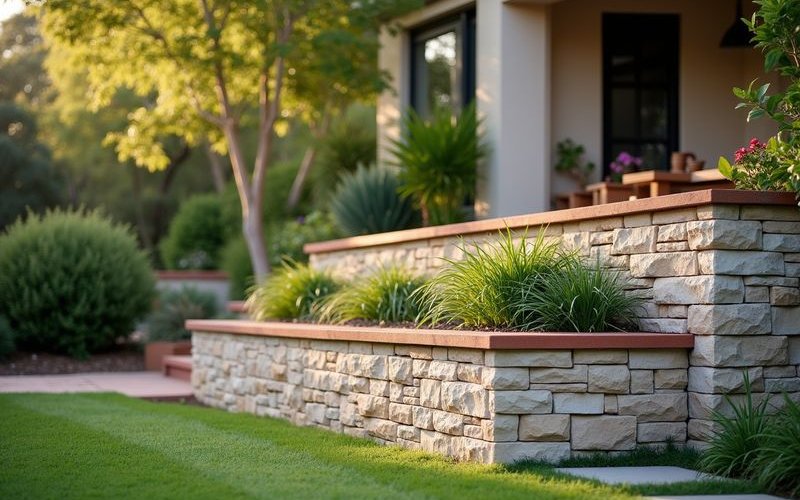
Stone Retaining Walls
Types
- Dry stone walls: Traditional, mortar-free construction
- Mortared stone: More structural, formal appearance
- Stone-faced concrete: Stone veneer on structural core
Advantages
- Beautiful, timeless appearance
- Ages gracefully
- Excellent integration with planting
- Adds significant property value
- Very long lifespan
Disadvantages
- Most expensive option
- Requires skilled stonemasons
- Heavy – may need substantial footings
- Material supply can be challenging
Best Applications
- Premium garden designs
- Heritage properties
- Highly visible locations
- Where budget allows
Cost Guide
$1,000-$1,800 per linear metre for quality stone construction
Rendered Masonry Walls
Construction
Concrete block or brick core with cement render finish, often painted or sealed.
Advantages
- Clean, contemporary appearance
- More affordable than stone
- Can match house render
- Smooth finish works with modern design
- Durable when properly constructed
Disadvantages
- Render can crack if poorly applied
- Needs repainting periodically
- Shows dirt and staining
- Less character than natural materials
Best Applications
- Contemporary home designs
- Where matching house exterior
- Urban gardens
- When budget is moderate
Cost Guide
$600-$1,000 per linear metre
Gabion Walls
Construction
Wire mesh baskets filled with rock, stone or recycled materials.
Advantages
- Contemporary industrial aesthetic
- Excellent drainage (water passes through)
- Can use site-sourced rock
- Flexible – adapts to movement
- Relatively quick installation
Disadvantages
- Very specific aesthetic – not for all gardens
- Mesh can rust over time (usually not structural)
- Difficult to plant into
- Can collect debris
Best Applications
- Modern landscape designs
- Sites with abundant rock
- Environmentally conscious projects
- Where drainage is challenging
Cost Guide
$400-$800 per linear metre depending on fill material
Comparison Table
| Factor | Timber | Concrete Block | Stone | Rendered | Gabion |
|---|---|---|---|---|---|
| Cost | $ | $$ | $$$$ | $$$ | $$ |
| Lifespan | 15-25 yrs | 50+ yrs | 100+ yrs | 40+ yrs | 50+ yrs |
| Max Height | 1m | 2m+ | 1.5m | 2m+ | 2m+ |
| Appearance | Natural | Variable | Timeless | Contemporary | Industrial |
| Drainage | Good | Requires design | Excellent (dry) | Requires design | Excellent |
| Maintenance | Moderate | Low | Very low | Moderate | Low |
Drainage Requirements
All retaining walls need adequate drainage to prevent water pressure building behind the wall. Requirements include:
Standard Drainage
- Agricultural drain at wall base
- Drainage gravel behind wall
- Geotextile fabric to prevent soil migration
- Outlet to stormwater or soak-away
Signs of Drainage Failure
- Wall leaning or cracking
- Wet patches on wall face
- Efflorescence (white salt deposits)
- Waterlogged soil at wall base
Never economise on drainage – it’s the most common cause of wall failure.
Making Your Choice
For Budget-Conscious Projects
Timber sleepers for walls under 1m, concrete block for taller walls. Simple finishes, good drainage.
For Mid-Range Projects
Concrete block with quality caps and landscaping. Rendered walls where contemporary look is desired.
For Premium Projects
Natural stone for primary walls. Quality materials and finishes throughout. Integrated lighting and planting.
For Bush Settings
Timber or dry stone. Natural appearance that blends with surroundings.
For Contemporary Gardens
Rendered masonry, smooth concrete block, or gabions. Clean lines, minimal detailing.
Professional Requirements
For any significant retaining wall project:
- Engage a designer to determine wall locations and types
- Get engineering for walls over 500mm
- Check council requirements for permits
- Use experienced contractors with retaining wall expertise
- Ensure proper drainage is specified and installed
- Inspect during construction at critical stages
Ready to Discuss Your Project?
Retaining walls are significant investments that need to perform for decades. The right choice depends on your site conditions, aesthetic preferences and budget. Contact us to discuss the best retaining wall solutions for your sloping Melbourne property.