Pool fencing is legally required in Victoria, but compliance doesn’t mean compromising on style. This guide explains the requirements and explores your options for creating a safe, attractive pool enclosure as part of your pool landscaping design.
Victorian Pool Fencing Requirements
What Must Be Fenced
All swimming pools and spas capable of holding 300mm or more of water require compliant barriers.
Key Requirements
- Height: Minimum 1.2m
- Gaps: No gaps larger than 100mm
- Climbable zones: Must prevent climbing (no horizontal rails, etc.)
- Gates: Self-closing, self-latching, opening outward
- Windows/doors: Special requirements if forming part of barrier
Certification
All pool barriers must be inspected and certified:
- Within 30 days of construction
- Every four years thereafter
- Upon property sale
Penalties
Non-compliance can result in:
- Fines up to $36,000
- Orders to stop using the pool
- Delays in property sales
Fencing Options
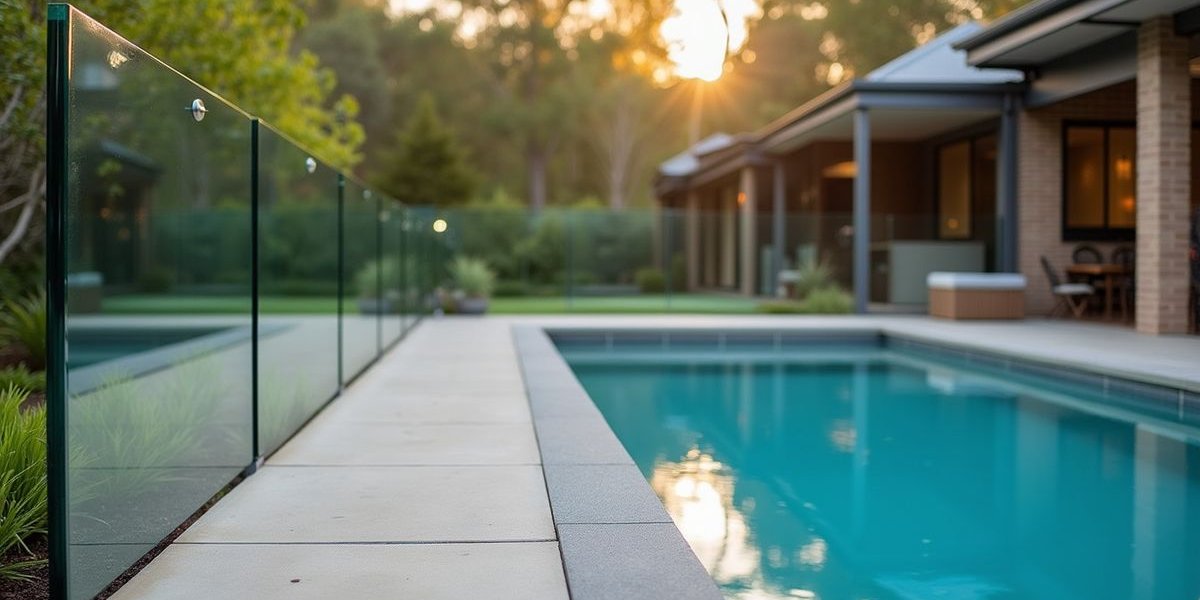
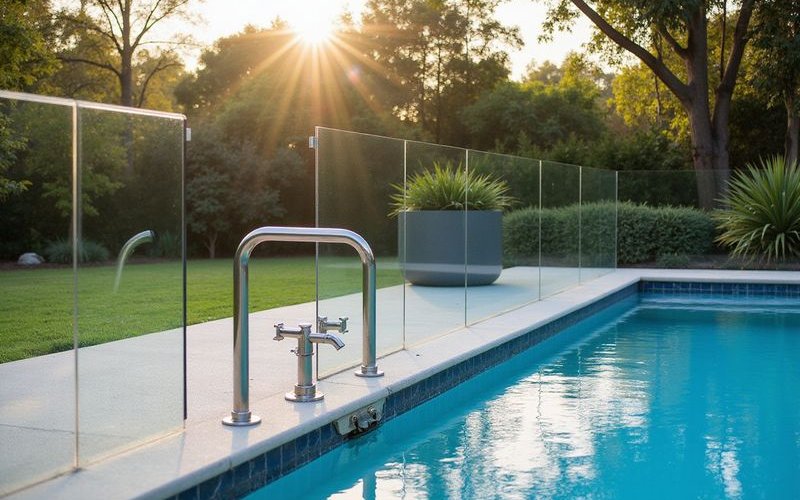
Frameless Glass
The premium choice for unobstructed views and contemporary aesthetics.
Features:
- 12mm toughened glass panels
- Stainless steel spigots or channels
- Self-closing glass gate
- Virtually invisible barrier
Advantages:
- Maintains garden views
- Contemporary appearance
- Makes spaces feel larger
- Easy to clean
Disadvantages:
- Highest cost option
- Shows fingerprints and water marks
- Spigots can corrode near coast
- Limited gate width options
Cost: $350-$600 per linear metre
Semi-Frameless Glass
Glass panels with posts providing structure.
Features:
- 8-10mm toughened glass
- Aluminium or stainless posts
- More affordable than frameless
- Various post colour options
Advantages:
- Good views with lower cost
- Posts add visual interest
- Easier installation
- More gate width options
Disadvantages:
- Posts can obstruct views
- More visual elements to maintain
- Less sleek than frameless
Cost: $200-$350 per linear metre
Aluminium Tubular
Classic pool fencing with proven performance.
Features:
- Vertical aluminium tubes
- Powder-coated finish
- Various colours available
- Standard and semi-custom options
Advantages:
- Most affordable option
- Durable and low-maintenance
- Wide colour range
- Easy replacement if damaged
- Good ventilation
Disadvantages:
- More visual obstruction
- Can look institutional
- Less premium appearance
- Doesn’t suit all garden styles
Cost: $100-$200 per linear metre
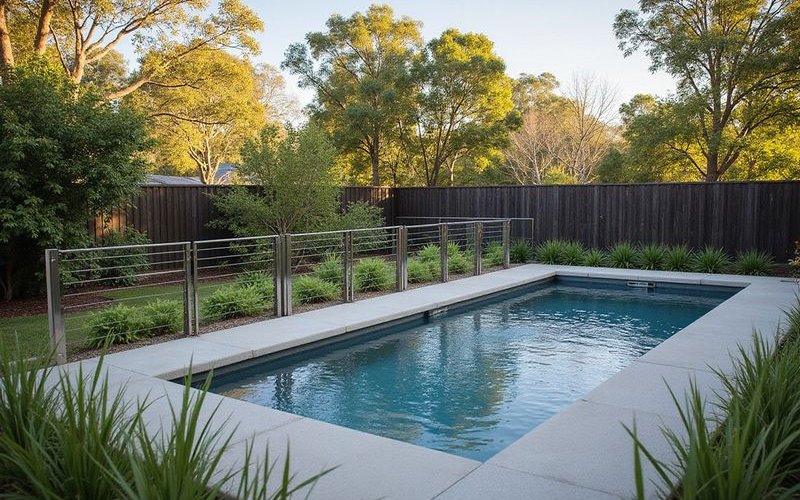
Stainless Steel Wire
Contemporary option using tensioned wires.
Features:
- Vertical stainless cables
- Stainless or aluminium posts
- Maritime grade materials available
- Modern industrial aesthetic
Advantages:
- Contemporary look
- Good visibility
- Suits modern architecture
- Durable materials
Disadvantages:
- Wires need tensioning over time
- More visual lines than glass
- Industrial aesthetic not for everyone
- Cable spacing must meet requirements
Cost: $180-$300 per linear metre
Alternative Barriers
The Building Regulations allow various barrier types if compliant:
Masonry walls
- Rendered block or brick
- Can double as garden wall
- Must meet height and gap requirements
- Good for privacy screening
Hedging
- Only specific dense species qualify
- Must be continuously maintained
- Inspection access required
- Rarely approved in practice
Building walls
- House walls can form part of barrier
- Windows and doors need compliant hardware
- Door alarms required in some cases
- Needs careful compliance checking
Design Integration
Minimising Visual Impact
Thoughtful design reduces fence prominence:
- Planting inside barrier: Softens fence appearance
- Dark frame colours: Recede visually
- Fence position: Set back from main views if possible
- Level changes: Use retaining walls as barrier base
Gate Placement
Consider gate position for:
- Direct access from house
- Service access for pool equipment
- Garden circulation patterns
- Visual impact on main views
- Safety (away from deep end)
Combining Materials
Different sections can use different materials:
- Glass on main viewing sides
- Tubular where screened by planting
- Solid sections for privacy from neighbours
- Lower-cost options for utility areas
Cost Comparison
For a typical 25m pool perimeter:
| Material | Cost Range | Features |
|---|---|---|
| Frameless Glass | $8,750-$15,000 | Premium appearance |
| Semi-Frameless | $5,000-$8,750 | Good balance |
| Tubular Aluminium | $2,500-$5,000 | Budget-friendly |
| Stainless Wire | $4,500-$7,500 | Contemporary |
Add $1,000-$3,000 for compliant gate.
Choosing the Right Option
For Unobstructed Views
Frameless glass – nothing else comes close for visual openness.
For Budget Projects
Tubular aluminium – proven, compliant and affordable.
For Contemporary Homes
Frameless or semi-frameless glass, or stainless wire.
For Traditional Homes
Quality tubular in heritage-appropriate colours, or rendered masonry.
For Coastal Properties
Marine-grade stainless spigots and fittings essential. Consider easier-to-maintain alternatives to glass.
Compliance Tips
Before Construction
- Get survey with levels
- Confirm fence position with certifier
- Check if building permit required
- Plan gate positions
During Construction
- Use compliant installers
- Document work for certification
- Test gate hardware before handover
Ongoing Compliance
- Annual self-inspection recommended
- Keep vegetation trimmed from barrier
- Maintain gate closing mechanisms
- Update when house or landscape changes
Getting It Right
Pool fencing affects both safety and aesthetics. Early planning ensures the fence integrates well with your landscape design rather than being an afterthought.
Contact us to discuss pool fencing as part of your landscape design.