A well-designed pergola transforms outdoor space, providing shade and shelter while creating an architectural feature that enhances your garden. This guide explores pergola options for Melbourne outdoor living spaces.
Why Add a Pergola?
Extend Living Space
A pergola creates a defined outdoor room – a transition between inside and garden that’s usable in more conditions than open space.
Shade and Comfort
Melbourne’s summer sun makes shade essential for comfortable outdoor living. Pergolas provide it while maintaining airflow.
Architectural Interest
A well-designed pergola adds vertical structure and visual interest to gardens that might otherwise feel flat.
Support for Plants
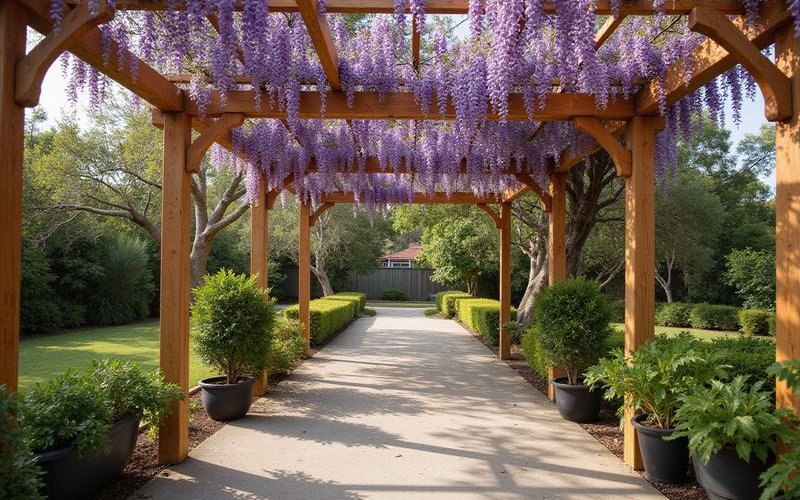
Climbing plants transform pergolas into living structures, adding beauty, privacy and additional shade.
Pergola Styles
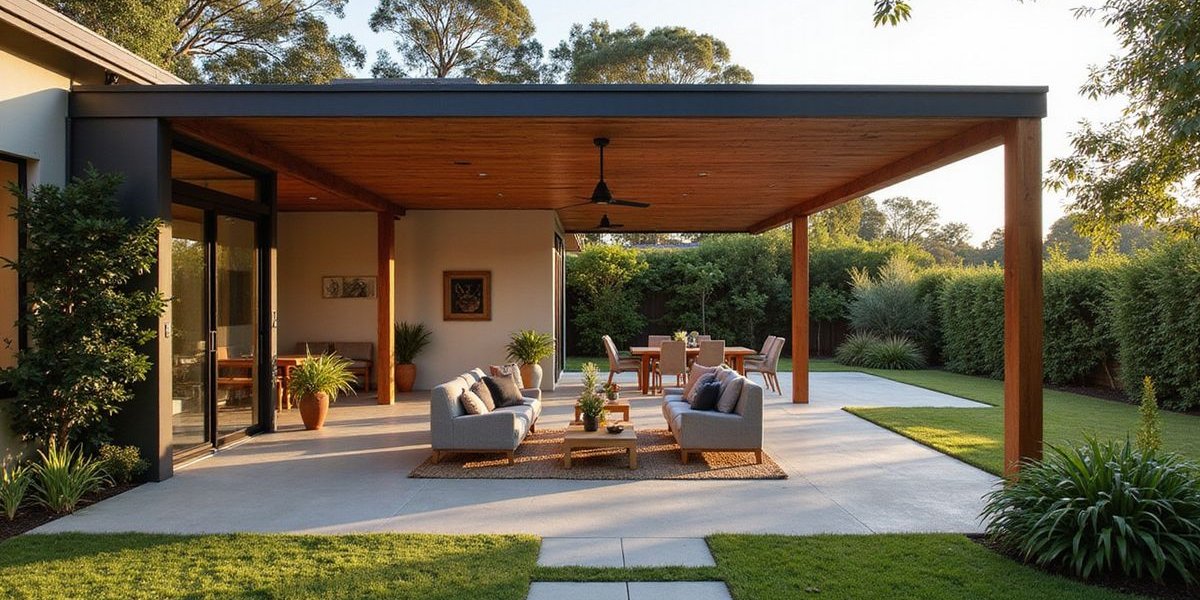
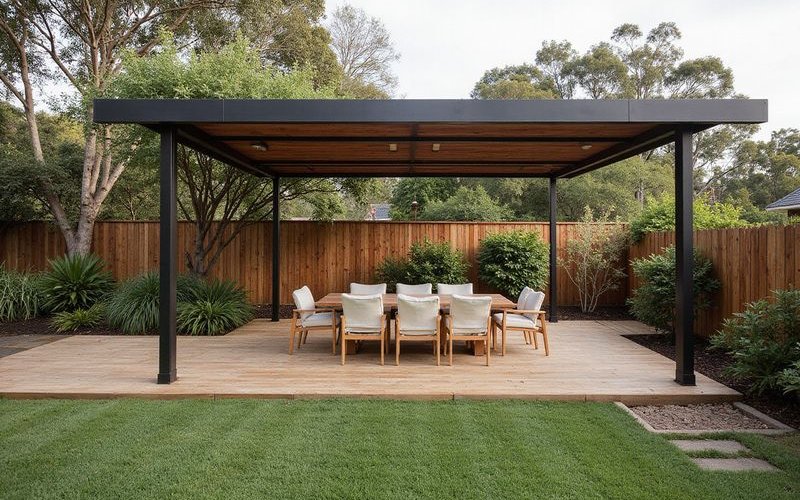
Contemporary Minimalist
Clean lines, flat roofs and restrained detailing characterise modern pergola design.
Features:
- Flat or low-pitched roofline
- Steel or slimline timber posts
- Wide, well-spaced battens
- Often integrated with house architecture
- Minimal ornamentation
Materials: Powder-coated steel, painted hardwood, aluminum
Best for: Modern homes, minimalist gardens, sleek entertaining spaces
Classic Timber
Traditional pergolas celebrate the beauty of natural timber with crafted joinery.
Features:
- Substantial timber posts and beams
- Decorative rafter ends
- Variable batten spacing for light filtering
- Often stained to show grain
- Timeless appeal
Materials: Hardwoods (spotted gum, blackbutt, ironbark), western red cedar
Best for: Heritage homes, established gardens, warm natural aesthetic
Louvred Systems
Adjustable louvres provide controllable shade and weather protection.
Features:
- Rotating aluminium blades
- Motor-operated adjustment
- Can close completely for rain protection
- Integrated guttering
- Premium appearance
Materials: Powder-coated aluminium
Best for: Year-round outdoor living, entertaining spaces, maximising usage
Shade Sail Alternative
While not technically pergolas, shade sails achieve similar outcomes with different aesthetics.
Features:
- Tensioned fabric canopies
- Dynamic, sculptural appearance
- More affordable than solid structures
- Can be removed seasonally
Materials: UV-stabilised fabric, stainless steel fixings
Best for: Budget projects, modern homes, temporary or evolving spaces
Planting Your Pergola
Living pergolas combine structure with climbing plants for beauty and function.
Fast-Growing Climbers
- Star Jasmine: Fragrant, evergreen, relatively tidy
- Wisteria: Spectacular spring flowering, deciduous (winter sun)
- Ornamental Grape: Bold leaves, autumn colour, deciduous
- Passionfruit: Edible bonus, fast coverage
Flowering Climbers
- Climbing Roses: Classic beauty, need support and maintenance
- Bougainvillea: Vibrant colour, suits hot dry positions
- Mandevilla: Tropical look, frost-tender
- Hardenbergia: Native, purple flowers, tough
Foliage Focus
- Boston Ivy: Autumn colour, self-clinging, deciduous
- Virginia Creeper: Similar to Boston ivy, larger leaves
- Kiwi Fruit: Large leaves, edible fruit
Planting Considerations
- Deciduous vs evergreen: Deciduous lets winter sun through
- Growth rate: Fast growers need more pruning
- Weight: Consider mature weight on structure
- Mess: Some climbers drop flowers, leaves or fruit
- Irrigation: Climbers under eaves need watering
Design Considerations
Size and Proportion
- Generally at least 3m x 3m for useful furniture space
- Ceiling height typically 2.4-2.7m
- Proportional to house scale
- Consider how it reads from inside
Orientation
- North-facing pergolas get most sun (may need more shade)
- East-facing gets morning sun (pleasant)
- West-facing can be hot (afternoon sun)
- South-facing rarely needs much shading
Connection to House
- Attached pergolas tie into house structure
- Freestanding offers more flexibility
- Consider drainage where attached
- Match or complement house materials
Lighting
- Integrated LED strips
- Pendant lights for dining areas
- Uplighting in planting beds below
- Smart controls for flexibility
Building Approvals
In Victoria, pergolas may need building approval depending on:
- Size (typically over 10sqm needs permit)
- Location (setback from boundaries)
- Height and impact on neighbours
- Council-specific requirements
Always verify requirements before building.
Material Comparison
| Material | Cost | Maintenance | Lifespan | Aesthetic |
|---|---|---|---|---|
| Treated Pine | $ | High | 15-20 yrs | Basic |
| Hardwood | $$$ | Moderate | 30+ yrs | Natural/Warm |
| Steel | $$$ | Low | 40+ yrs | Industrial/Modern |
| Aluminium | $$$$ | Very Low | 40+ yrs | Contemporary |
Cost Guide
Pergola costs vary widely based on size, materials and complexity:
- Basic timber (4x3m): $5,000-$10,000
- Quality hardwood (4x4m): $12,000-$20,000
- Steel frame (4x4m): $10,000-$18,000
- Louvred system (4x4m): $20,000-$40,000
These are indicative – actual costs depend on specifics.
Integration Ideas
With Outdoor Kitchen
- Pergola provides shade for cooking
- Consider ventilation for BBQ smoke
- Include weather protection for appliances
- Lighting over food prep areas
With Pool
- Shade for relaxation area
- Consider splash from diving/playing
- Non-slip surfaces beneath
- Pool-safe materials
With Garden
- Frame views through pergola
- Extend structure with planted arbours
- Create transition to productive garden
- Use as support for espalier
Getting Started
A well-designed pergola becomes a garden focal point and significantly extends usable outdoor living time. Consider how you’ll use the space, what style suits your home, and whether planting or adjustable shade best meets your needs.
Contact us to discuss pergola options for your Melbourne outdoor living space.