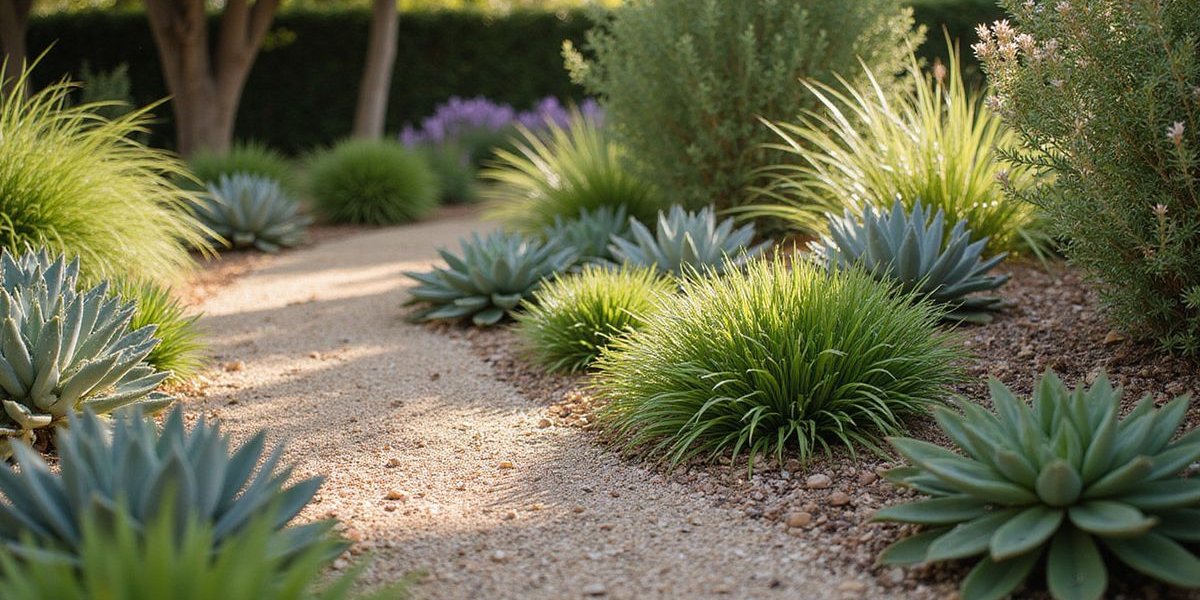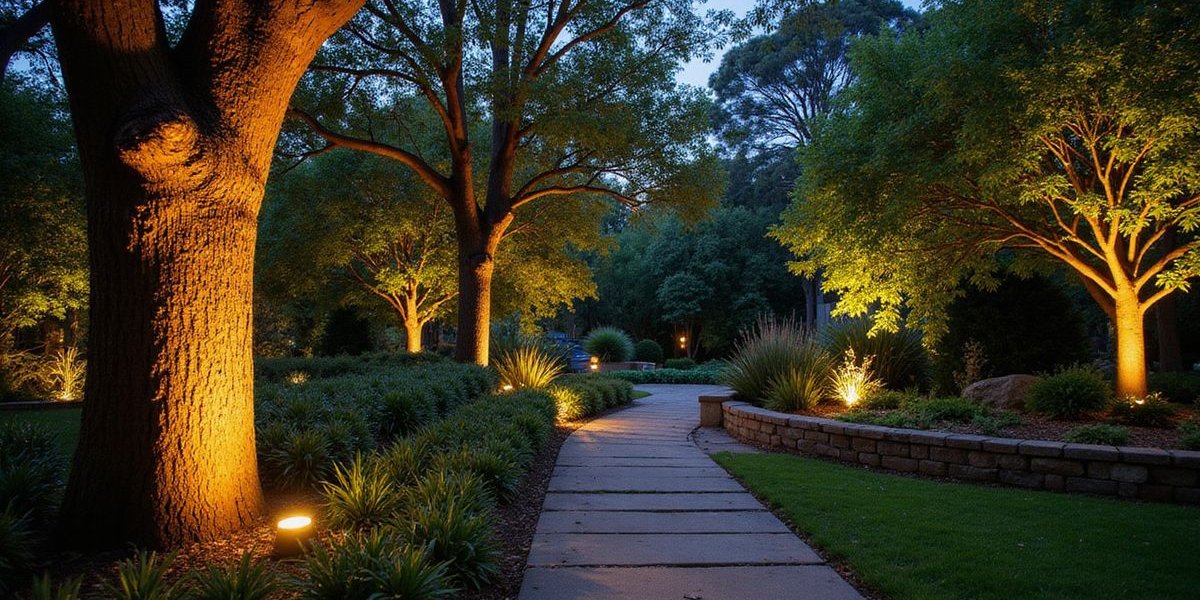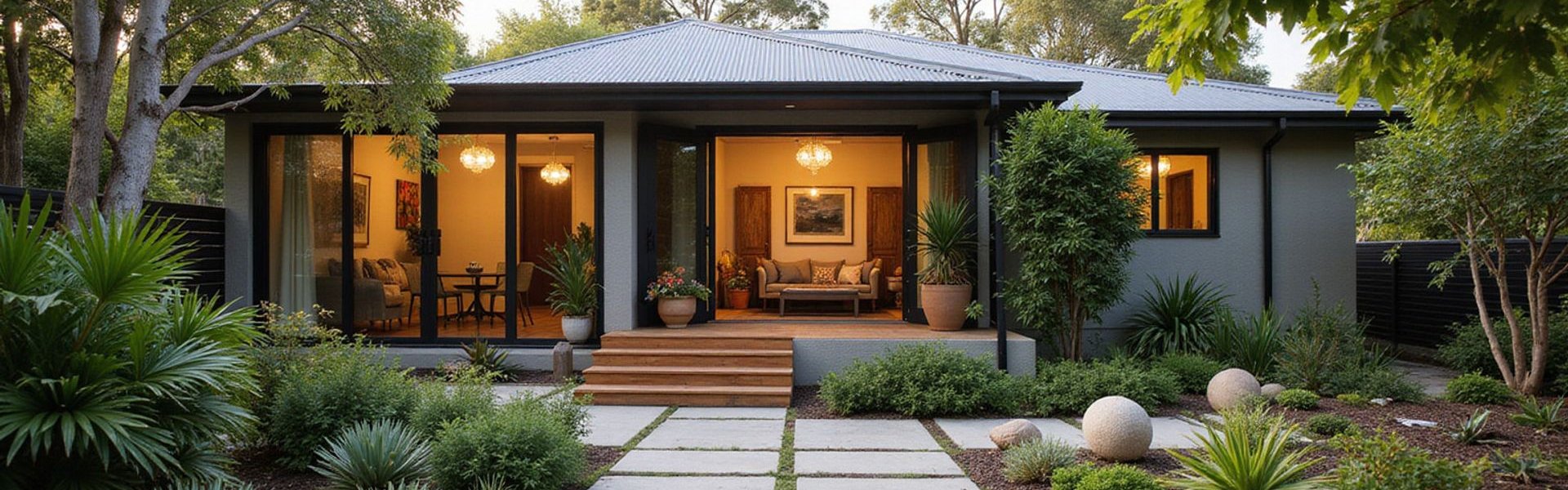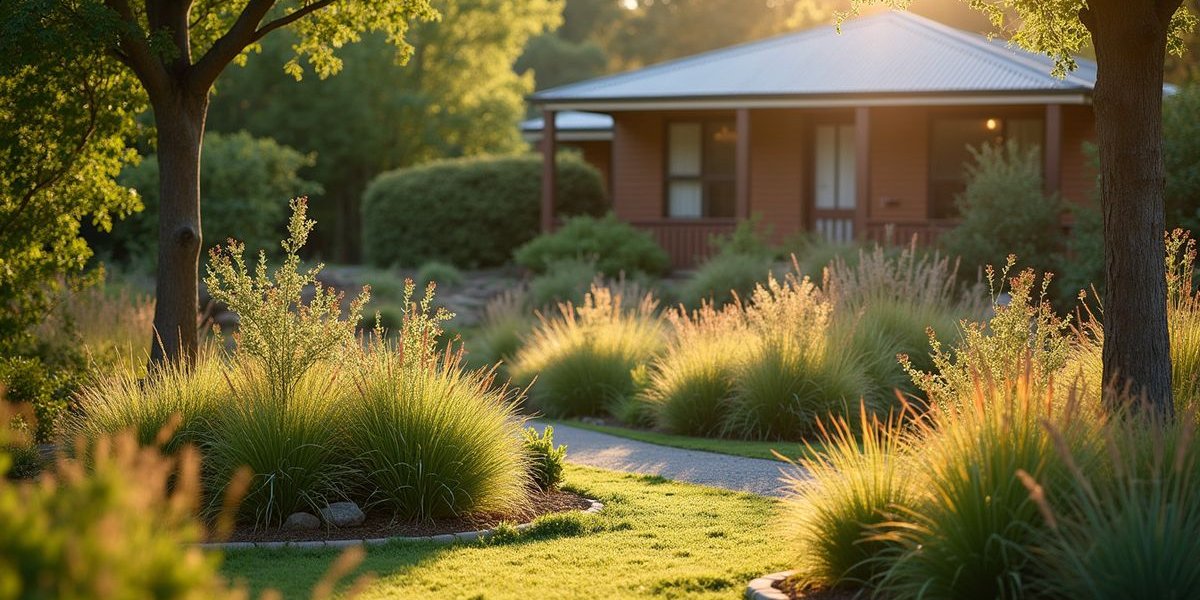
Native gardens suit Melbourne’s climate, support local wildlife and reduce maintenance once established. This comprehensive guide covers everything you need to create a beautiful native garden with expert planting design.
Why Choose Native Plants?
Climate Adaptation
Plants indigenous to Melbourne have evolved over millennia to thrive in our conditions:
- Hot, dry summers
- Cool, wet winters
- Variable rainfall
- Poor soils in many areas
Water Efficiency
Once established, native gardens typically need 50-70% less water than traditional gardens with exotic plants.
Wildlife Habitat
Native plants provide food and shelter for:
- Native birds
- Pollinating insects
- Lizards and frogs
- Butterflies and moths
Lower Maintenance
Adapted plants need less:
- Watering (after establishment)
- Fertilising
- Pest and disease management
- Replacement of failed plants
Local Character
Native gardens connect your property to the surrounding landscape and celebrate Victoria’s unique flora.
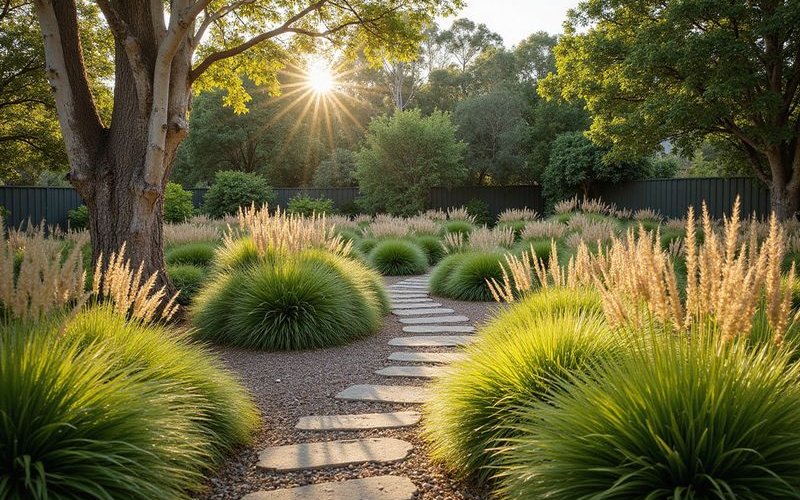
Native Garden Styles
Indigenous Bush Garden
Uses only plants naturally occurring in your local area.
Characteristics:
- Matches surrounding bushland
- Maximum wildlife benefit
- Council may provide plant subsidies
- Research local indigenous species
Best for: Properties adjoining bushland, wildlife focus, environmental restoration
Australian Native Garden
Uses native plants from across Australia, not just local species.
Characteristics:
- Wider plant choice
- Can include spectacular species from other regions
- Some non-local plants may be less suited to conditions
- More design flexibility
Best for: Bold colour displays, specific aesthetics, varied conditions
Contemporary Native
Combines native plants with modern design principles.
Characteristics:
- Structured layout
- Mass planting of key species
- Native plants in formal arrangements
- Modern hardscape materials
- Architectural native species
Best for: Modern homes, low-maintenance preference, sophisticated aesthetic
Design Principles
Understand Your Site
Before selecting plants, assess:
- Soil type: Clay, sand, loam? Test pH and drainage
- Sun exposure: Full sun, part shade, full shade
- Microclimate: Frost pockets, hot spots, wind exposure
- Existing vegetation: What’s already thriving?
Create Structure
Native gardens need structure like any garden:
- Canopy layer: Trees for shade and vertical interest
- Middle layer: Shrubs for mass and screening
- Ground layer: Groundcovers and grasses for coverage
- Accent plants: Feature specimens for focal points
Mass Plant Key Species
Native garden success comes from:
- Planting in drifts (5-15 of the same plant)
- Limiting the number of species
- Repeating key plants throughout
- Creating rhythm and cohesion
Consider Year-Round Interest
Plan for seasonal variation:
- Spring: Flowering shrubs and groundcovers
- Summer: Grasses and seed heads
- Autumn: Interesting seed pods and texture
- Winter: Bark, form and structure
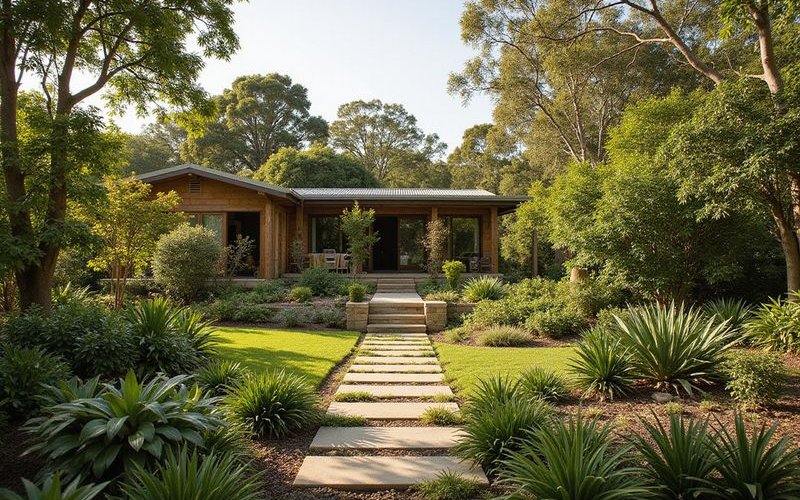
Recommended Plants for Melbourne
Trees
Eucalyptus species:
- E. leucoxylon (Yellow Gum) – cream/pink flowers
- E. melliodora (Yellow Box) – honey scented
- E. polyanthemos (Red Box) – round silver leaves
Allocasuarina species:
- A. littoralis (Black She-oak) – fine texture
- A. verticillata (Drooping She-oak) – weeping form
Acacia species:
- A. melanoxylon (Blackwood) – timber tree
- A. pycnantha (Golden Wattle) – national emblem
Shrubs
Grevillea varieties:
- G. ‘Superb’ – bird-attracting
- G. rosmarinifolia – compact form
- G. ‘Robyn Gordon’ – long flowering
Banksia species:
- B. marginata (Silver Banksia)
- B. spinulosa (Hairpin Banksia)
- B. ‘Birthday Candles’ – compact
Other shrubs:
- Correa species – winter flowers
- Westringia fruticosa – native rosemary
- Melaleuca species – paperbark
Groundcovers and Grasses
Strappy plants:
- Lomandra longifolia – tough as nails
- Dianella species – blue berries
- Orthrosanthus multiflorus – blue flowers
Groundcovers:
- Myoporum parvifolium – spreading cover
- Kennedia prostrata – running postman
- Brachyscome multifida – cut-leaf daisy
Grasses:
- Poa labillardieri – common tussock
- Themeda triandra – kangaroo grass
- Microlaena stipoides – weeping grass
Soil Preparation
Many Melbourne soils need preparation for native plants:
Heavy Clay
- Improve drainage with gypsum
- Build raised beds if severe
- Avoid waterlogging – many natives hate wet feet
- Add organic matter to improve structure
Sandy Soils
- Add comite or organic matter
- May need more frequent watering during establishment
- Nutrients leach quickly
Poor Drainage
- Raise planting areas
- Install agricultural drains
- Choose wet-tolerant species
- Create rain gardens for water management
Planting and Establishment
Best Planting Time
Autumn (March-May) is ideal:
- Soil still warm for root growth
- Winter rains establish plants
- Less watering required
- Plants ready for spring growth
Planting Method
- Dig hole twice pot width
- Don’t add fertiliser (natives prefer poor soil)
- Plant at same depth as pot
- Water deeply
- Mulch 50-75mm thick (keep away from stem)
Watering During Establishment
- Deep water weekly for first summer
- Reduce gradually over second year
- Most natives independent by year three
- Some species need no supplementary water once established
Mulching
Essential for native success:
- Use chunky native mulch
- 75mm deep around plants
- Keep clear of stems
- Replenish annually
Common Mistakes
Over-Watering
More natives die from overwatering than underwatering. Once established, most prefer dry conditions.
Over-Fertilising
Native plants evolved in poor soils. Excess nutrients (especially phosphorus) can kill them. Use native-specific fertilisers sparingly.
Wrong Plant, Wrong Place
Research plant requirements carefully. A plant that loves dry slopes will die in a boggy spot.
Planting Too Close
Consider mature sizes. Over-planting creates maintenance problems and unhealthy plants.
Neglecting Establishment Period
Even tough natives need care in their first two summers. Don’t abandon them too soon.
Maintenance Calendar
Spring
- Light pruning after flowering
- Weed control before seeds set
- Start reducing supplementary watering
Summer
- Water new plants if needed
- Monitor for pest/disease
- Enjoy the garden!
Autumn
- Best time for new planting
- Cut back spent perennials
- Add mulch where needed
Winter
- Plant new additions
- Prune where needed
- Plan changes for next season
Ready to Go Native?
Native gardens reward with beauty, wildlife and reduced maintenance. Success comes from choosing the right plants for your conditions and allowing adequate establishment time.
Contact us to discuss native garden design for your Melbourne property.