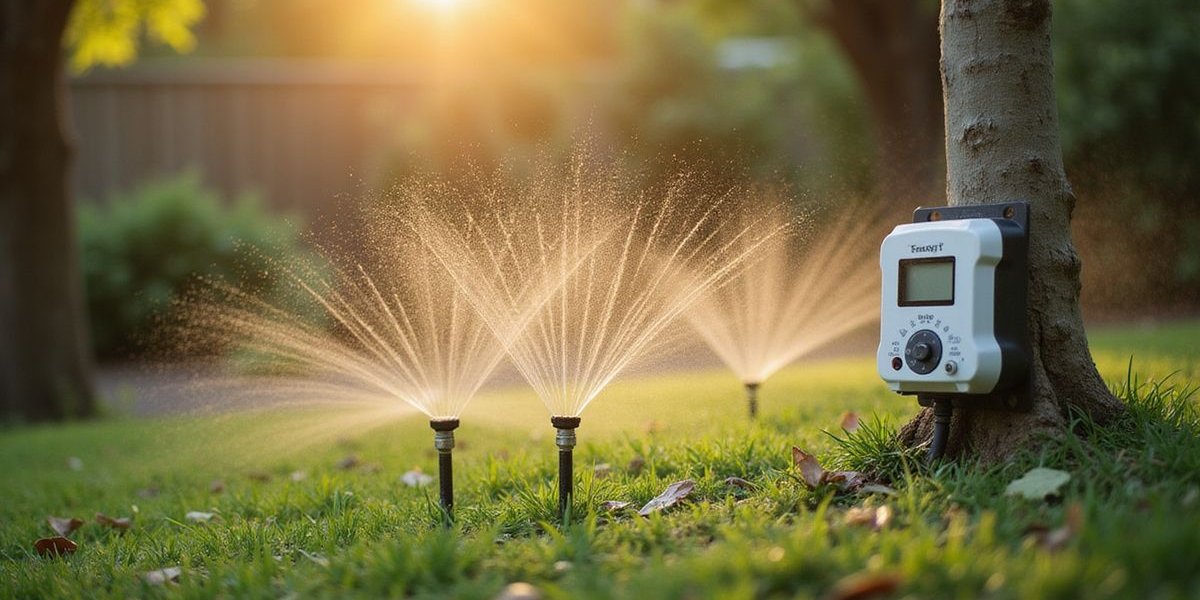
A well-designed irrigation system is an important part of professional landscape design. It saves water, reduces maintenance and keeps your garden healthy through Melbourne’s variable climate. This guide explains your options and helps you make informed decisions.
Do You Need Irrigation?
Consider Irrigation If:
- You have significant planted areas
- Your lifestyle involves travel or long hours
- You want reliable, consistent watering
- You have lawn requiring regular moisture
- You’re establishing new plantings
- You want to maximise plant health and growth
You Might Not Need It If:
- Your garden is established and drought-tolerant
- You have a small, easily hand-watered space
- You enjoy the ritual of hand watering
- Budget is very tight
- You’re happy with a more natural approach
Irrigation System Types
Drip Irrigation
Water delivered directly to plant roots through emitters or drip line.
Best For:
- Garden beds and borders
- Potted plants
- Vegetable gardens
- Trees and shrubs
- Native gardens
Advantages:
- Very water-efficient (90%+ to plants)
- Minimal evaporation
- Reduces weed growth
- Low water pressure works
- Easy to install and modify
Disadvantages:
- Emitters can clog
- Line can be damaged by digging
- Doesn’t suit lawn
- Needs regular checking
- Less visual when in mulch
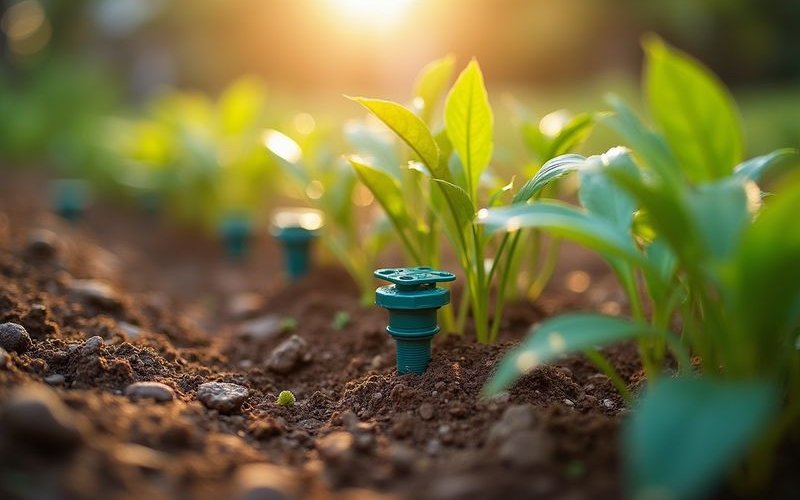
Pop-Up Sprinklers
Retractable sprinklers that rise when activated.
Best For:
- Lawn areas
- Large groundcover zones
- Uniform coverage needed
Advantages:
- Even coverage
- Out of sight when off
- Good for lawn
- Handles large areas efficiently
Disadvantages:
- Higher water usage than drip
- Evaporation losses (especially wind)
- Can wet foliage (disease risk)
- Overspray on paths/fences
- Higher pressure required
Micro-Sprinklers
Small sprinklers for targeted areas.
Best For:
- Potted plant collections
- Fernery areas
- Dense planting
- Narrow garden beds
Advantages:
- Better coverage than drip in some situations
- Visual confirmation of operation
- Good for pots and containers
- Less prone to clogging than drip
Disadvantages:
- More evaporation than drip
- Can wet foliage
- Visible in garden
- Wind affects spray pattern
Soaker Hose
Porous hose that weeps water along its length.
Best For:
- Hedge lines
- Vegetable rows
- Simple, budget installations
- Temporary setups
Advantages:
- Very affordable
- Easy to install
- Flexible placement
- Good for linear planting
Disadvantages:
- Uneven water distribution
- Shorter lifespan
- Less precise than drip
- Can clog over time
Irrigation Controllers
Basic Timers
Simple devices that run irrigation on schedule.
Features:
- Set start time and duration
- Multiple zones possible
- Battery or mains powered
- Affordable
Best For:
- Simple systems
- Budget installations
- Where smart features unnecessary
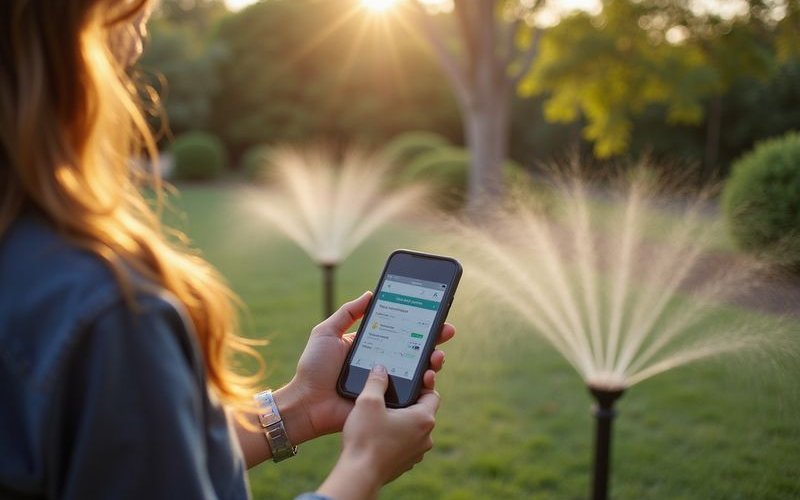
Smart Controllers
Advanced systems with weather-responsive features.
Features:
- Weather-based adjustment
- Soil moisture sensing
- Phone/app control
- Water usage tracking
- Rain delay automatic
- Seasonal adjustment
Advantages:
- Significant water savings
- Remote monitoring
- Adapts to conditions
- Data insights
Best For:
- Larger systems
- Water-conscious gardeners
- Tech-comfortable users
- New installations
Popular Controller Brands
Hunter: Professional quality, wide range Rain Bird: Industry standard, reliable Holman: Affordable Australian brand Rachio: Smart features, user-friendly Orbit B-Hyve: Good value smart option
Design Principles
Hydrozoning
Group plants with similar water needs:
Zone 1 - High Water:
- Lawn
- Vegetables
- Thirsty ornamentals
- Potted plants
Zone 2 - Moderate Water:
- Most established ornamentals
- Fruit trees
- Mixed borders
Zone 3 - Low Water:
- Natives
- Mediterranean plants
- Succulents
- Established shrubs
Coverage Planning
For Drip:
- Emitter every 300-500mm in beds
- Ring around trees
- Extra emitters for large plants
- Check manufacturer spacing guides
For Sprinklers:
- Head-to-head coverage (overlap)
- Account for wind effect
- Avoid overspray onto hardscape
- Match precipitation rates
Water Source Considerations
Mains Water:
- Reliable pressure
- Treated quality
- Usage charges apply
- May have restrictions
Tank Water:
- Free once captured
- Pressure pump needed
- Quality varies
- Volume limited
Grey Water:
- Recycled from house
- Regulations apply
- Not for vegetables
- Needs appropriate plants
Installation Considerations
Professional vs DIY
DIY Suitable:
- Simple drip systems
- Small garden areas
- Adding to existing system
- Above-ground temporary systems
Professional Recommended:
- Pop-up sprinkler systems
- Large gardens
- Complex zoning
- Integration with house plumbing
Common Installation Mistakes
Insufficient Coverage: Plants on edges or in shadows of sprinklers miss out.
Wrong Sprinkler Selection: Matching sprinkler type to area size matters.
Poor Pressure Management: Too many heads on one zone reduces performance.
No Backflow Prevention: Required by regulations, protects mains supply.
Burying Controller: Must remain accessible for maintenance.
Maintenance Requirements
Regular Tasks
- Check for leaks and breaks
- Clean filters monthly
- Test all zones run correctly
- Adjust seasonal programming
- Clear blocked emitters
Seasonal Adjustments
- Reduce winter watering
- Increase summer as needed
- Rain delay when wet
- Winterise in frost areas
Annual Service
- Full system inspection
- Replace worn parts
- Update programming
- Clean all components
- Check coverage still appropriate
Cost Guide
Basic Drip System (Small Garden)
- DIY materials: $300-$600
- Professional install: $600-$1,200
Medium Garden (Drip + Lawn)
- Materials: $800-$1,500
- Professional install: $1,500-$3,000
Large Garden (Full System)
- Materials: $1,500-$3,000
- Professional install: $3,000-$8,000
Add for smart controller: $200-$500
Water Efficiency Tips
- Water early morning to reduce evaporation
- Use drip wherever possible
- Mulch heavily to retain moisture
- Check regularly for leaks
- Adjust seasonally - don’t over-water
- Harvest rainwater to supplement mains
- Upgrade to smart controller for automatic adjustment
Integration with Garden Design
The best irrigation is designed with the garden, not added later. Consider:
- Pipe routes during construction
- Valve box locations
- Controller placement
- Future additions
- Maintenance access
Contact us to include irrigation design in your landscape plan.