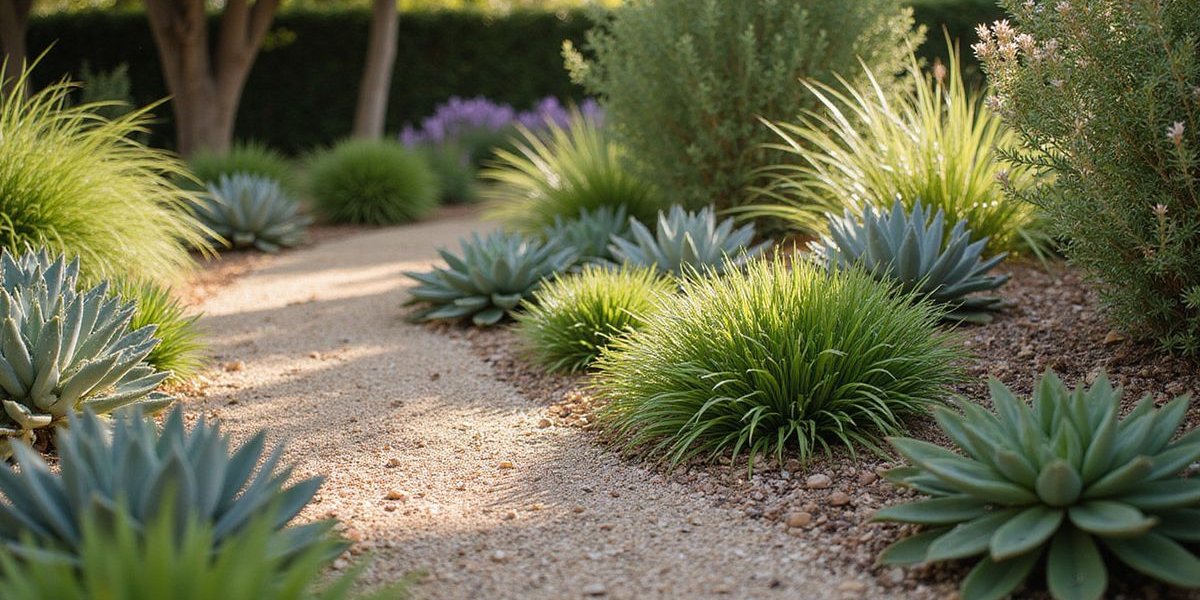
Melbourne’s variable rainfall and water restrictions make drought-tolerant gardening increasingly important. A well-designed sustainable garden can be as beautiful as any traditional garden while using a fraction of the water. This guide shows you how.
Understanding Melbourne’s Climate
Melbourne’s climate presents specific challenges:
Seasonal Extremes
- Cool, wet winters
- Hot, dry summers
- Unpredictable rainfall timing
- Extended dry periods possible
Implications for Gardens
- Summer watering is often essential for exotic plants
- Many traditional garden plants struggle
- Adapted plants thrive with minimal intervention
- Design must account for both wet and dry extremes
Key Strategies for Drought Tolerance
1. Soil Improvement
Healthy soil holds moisture better and supports healthier roots:
For Clay Soils:
- Add gypsum to improve structure
- Incorporate organic matter
- Don’t over-work wet clay
- Consider raised beds for drainage
For Sandy Soils:
- Add water-holding organic matter
- Use soil wetting agents
- Mulch heavily
- Water more frequently but efficiently
For All Soils:
- Build organic matter over time
- Avoid compaction
- Encourage soil biology
- Test and amend as needed
2. Mulching
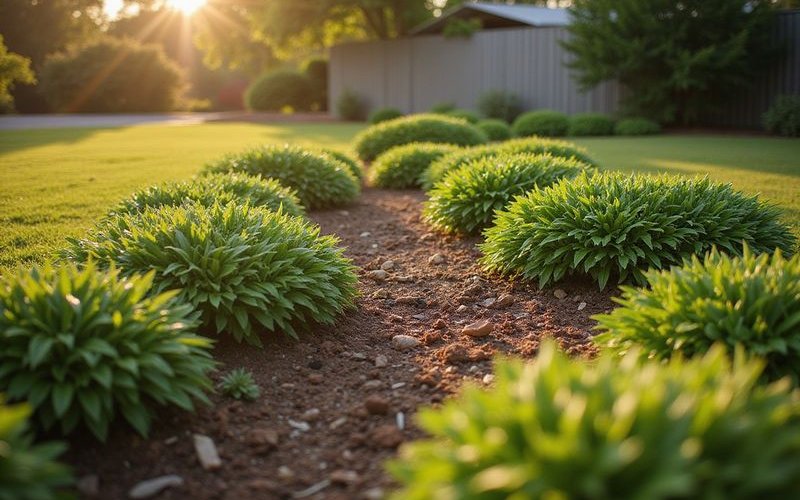
Mulch is the single most effective drought strategy:
Benefits:
- Reduces evaporation by 70%
- Keeps soil temperature stable
- Suppresses water-competing weeds
- Improves soil structure over time
- Reduces watering frequency
Best Mulches:
- Chunky bark mulch (lasts longest)
- Wood chips (great for native gardens)
- Pea straw (good but blows around)
- Gravel/pebbles (suits certain styles)
Application:
- 75-100mm deep
- Keep clear of plant stems
- Replenish annually as it breaks down
- Don’t use too fine (forms crust)
3. Efficient Irrigation
When watering is needed, do it efficiently:
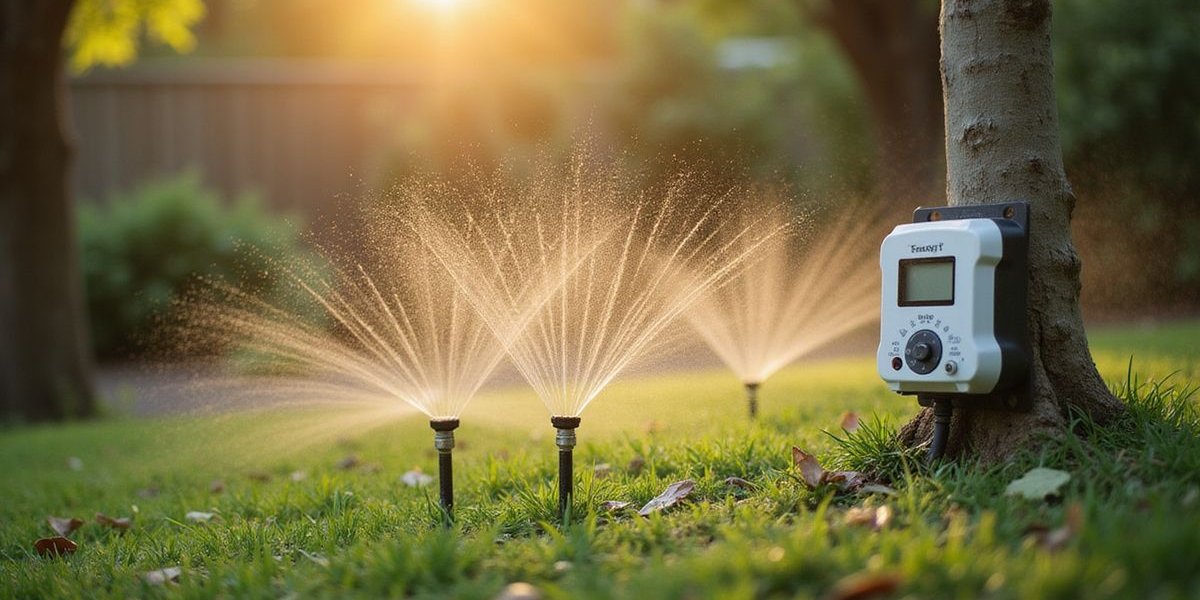
Drip Irrigation:
- Delivers water directly to roots
- Minimal evaporation loss
- Can be automated
- Zone by plant water needs
Watering Principles:
- Water deeply but less frequently
- Water early morning or evening
- Avoid wetting foliage
- Group plants by water needs
- Adjust seasonally
Smart Controllers:
- Weather-based adjustment
- Soil moisture sensors
- Remote monitoring
- Significant water savings
4. Right Plant, Right Place
Matching plants to conditions is fundamental:
Full Sun, Dry Areas:
- Succulents and cacti
- Mediterranean herbs
- Australian natives
- Ornamental grasses
Part Shade, Moderate:
- More plant options available
- Some traditional plants work here
- Careful selection still important
Problem Areas:
- Identify microclimates
- Choose specialists for tough spots
- Accept limitations
Recommended Drought-Tolerant Plants
Australian Natives
Grevilleas: Various sizes, bird-attracting flowers Westringia: Native rosemary, very tough Correa: Winter flowers, shade-tolerant Banksia: Spectacular flowers, wildlife haven Lomandra: Strappy leaves, extremely hardy Dianella: Blue berries, shade-tolerant
Mediterranean Plants
Lavender: Fragrant, tough once established Rosemary: Culinary and ornamental Santolina: Silver foliage, compact Olive: Long-lived shade tree Cistus: Rock rose, flower power Euphorbia: Architectural, drought-proof
Succulents
Agave: Architectural focal points Echeveria: Beautiful rosettes Sedum: Groundcover options Aeonium: Interesting forms Yucca: Bold statements Aloe: Some frost-hardy varieties
Ornamental Grasses
Miscanthus: Large, dramatic Pennisetum: Soft, flowing Stipa: Fine texture Festuca: Blue-grey foliage Poa: Native options
Design Approaches
Hydrozoning
Group plants by water requirements:
Zone 1 (High Water): Near house, main views
- Irrigated regularly
- Includes lawn if desired
- Smaller area, well mulched
Zone 2 (Moderate Water): Transition areas
- Occasional deep watering
- Mixed planting
- Extending garden interest
Zone 3 (Low/No Water): Perimeter, distant areas
- No irrigation after establishment
- Native and adapted plants
- Larger areas
Reducing Lawn
Traditional lawn is the biggest water user. Alternatives:
Replace with:
- Native lawn alternatives (Dichondra, native grasses)
- Groundcovers
- Mulched planting areas
- Paving or gravel for function areas
Or reduce:
- Keep lawn only where needed (play areas, pets)
- Smaller, well-maintained lawn looks better
- Consider hybrid lawns (grass + clover)
Hard Landscaping
Strategic hardscape reduces irrigated area:
- Paving for entertaining
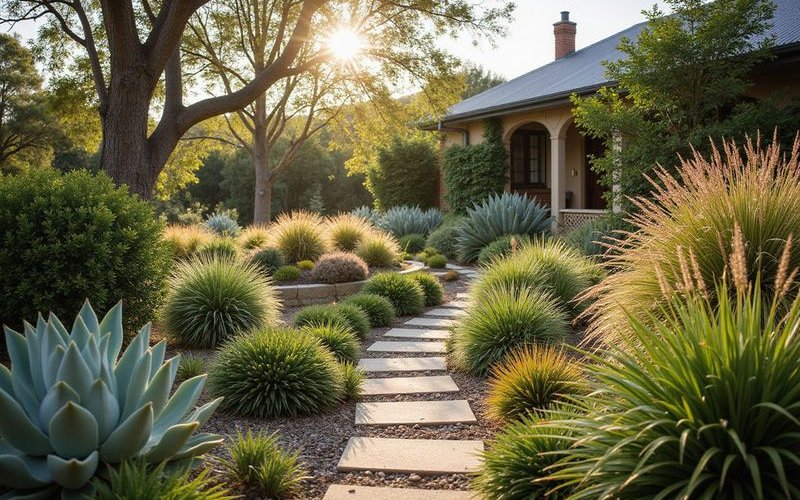
- Gravel paths through planting
- Rock features
- Mulched areas
Establishment Period
Even drought-tolerant plants need care initially:
First Year
- Water weekly through summer
- Don’t let new plants completely dry out
- Mulch immediately after planting
- Monitor closely in heat events
Second Year
- Reduce watering frequency
- Deep water less often
- Most plants becoming independent
- Continue mulching
Third Year Onwards
- Most plants self-sufficient
- Supplementary water in extreme heat
- Monitor but don’t overwater
- Maintain mulch levels
Common Mistakes
Overwatering Established Plants
More drought-tolerant plants die from overwatering than underwatering. They’ve adapted to dry conditions.
Insufficient Establishment Watering
Conversely, new plants need water to develop roots. Don’t expect instant drought tolerance.
Inadequate Mulching
Skipping mulch or using too little dramatically increases water needs.
Wrong Plant Selection
“Mediterranean” doesn’t always mean drought-tolerant. Research specific requirements.
Not Hydrozoning
Mixing high and low water plants creates maintenance headaches and plant failures.
Benefits Beyond Water Saving
Drought-tolerant gardens offer:
- Lower maintenance overall
- Better wildlife habitat
- Year-round interest
- Reduced input costs
- Resilience to restrictions
- Climate-appropriate aesthetic
Getting Professional Help
Drought-tolerant design requires understanding plants, soils and microclimates. Professional design ensures:
- Appropriate plant selection
- Efficient irrigation design
- Proper soil preparation
- Successful establishment
Contact us to discuss drought-tolerant design for your Melbourne garden.