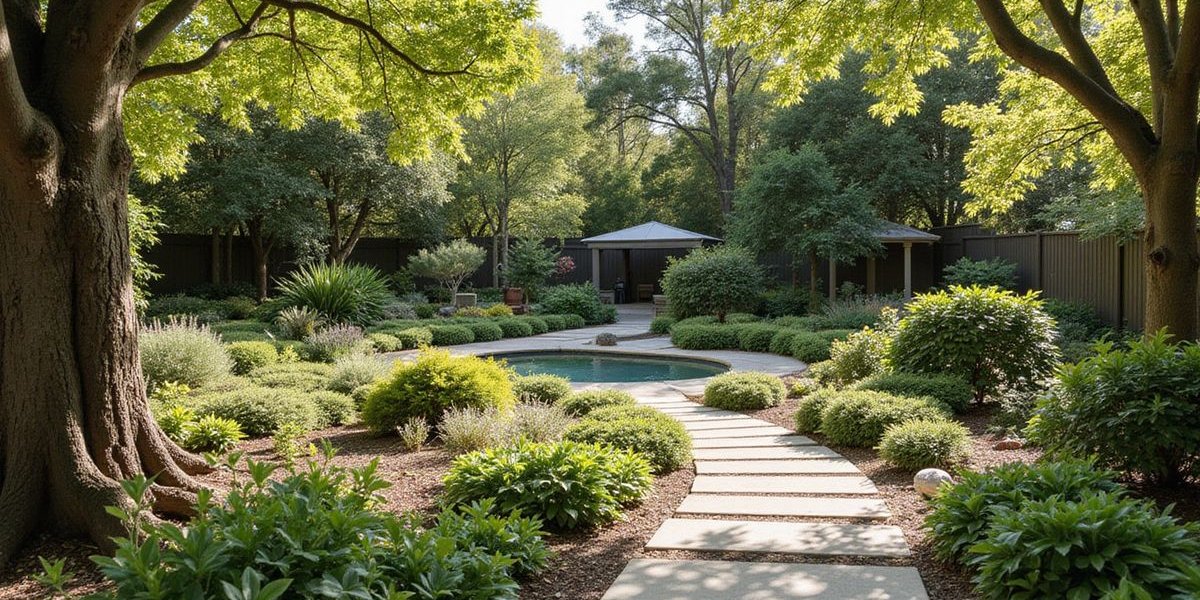
After 25 years of designing gardens across Melbourne, I’ve seen certain mistakes repeated time and again. These errors often lead to gardens that disappoint, require excessive maintenance, or need expensive corrections. Here are the five most common landscape design mistakes and how to avoid them.
Mistake 1: Ignoring Site Conditions
The most fundamental mistake is designing without properly understanding your site. Every garden has unique conditions that determine what will thrive and what will struggle.
The Problem
Plants chosen for their appearance without considering growing conditions frequently fail. Sun-loving plants in shade become leggy and sparse. Shade plants in full sun scorch and die. Moisture-loving species in dry corners struggle permanently.
The Solution
Before any design work, assess your site properly:
- Track sun patterns through the day and across seasons
- Identify drainage patterns – where does water collect or run?
- Test your soil or have it analysed professionally
- Note microclimates (frost pockets, hot spots, wind tunnels)
- Understand your aspect and what it means for plant selection
Mistake 2: Getting Scale Wrong
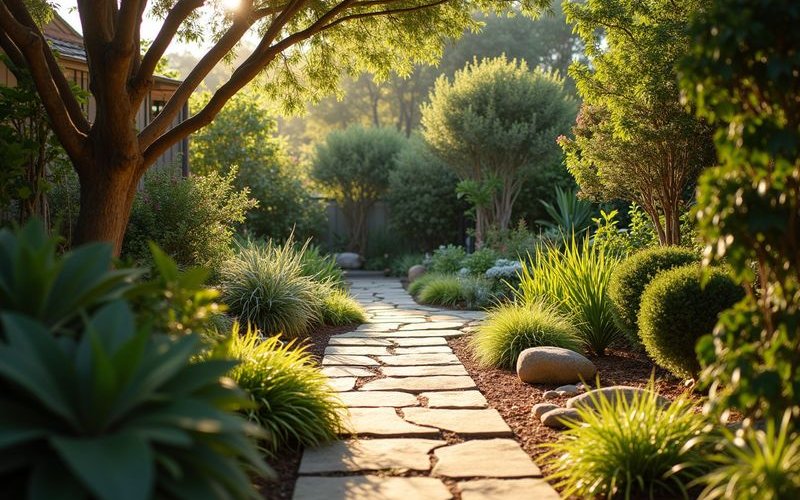
Scale mistakes create gardens that feel uncomfortable – paths too narrow to use, patios too small for furniture, plants that overwhelm or underwhelm their spaces.
The Problem
People commonly underestimate space requirements. A dining setting needs at least 4m x 4m to be comfortable. Paths need to be 1.2m wide for two people to walk together. That cute ornamental tree will become a 10m specimen.
The Solution
- Measure your furniture and activity areas before designing
- Use stakes and string to mark out proposed elements at actual size
- Research mature plant sizes, not nursery pot sizes
- Consider how everything relates – a small statue that works in a courtyard disappears in a large garden
- Leave space for maintenance access and plant growth
Mistake 3: Neglecting Drainage
Melbourne’s clay soils and variable rainfall make drainage critical. Yet it’s often an afterthought, leading to waterlogged gardens, dying plants and structural problems.
The Problem
Poor drainage creates boggy areas, kills plants through root rot, undermines paving and structures, and can even affect house foundations. It’s expensive to fix retrospectively.
The Solution
- Assess natural drainage before designing
- Ensure surfaces slope away from buildings
- Include drainage infrastructure in your design
- Select plants appropriate for drainage conditions
- Consider permeable paving to reduce runoff
- Install agricultural drains in persistently wet areas
Mistake 4: Choosing Plants for Nursery Appeal
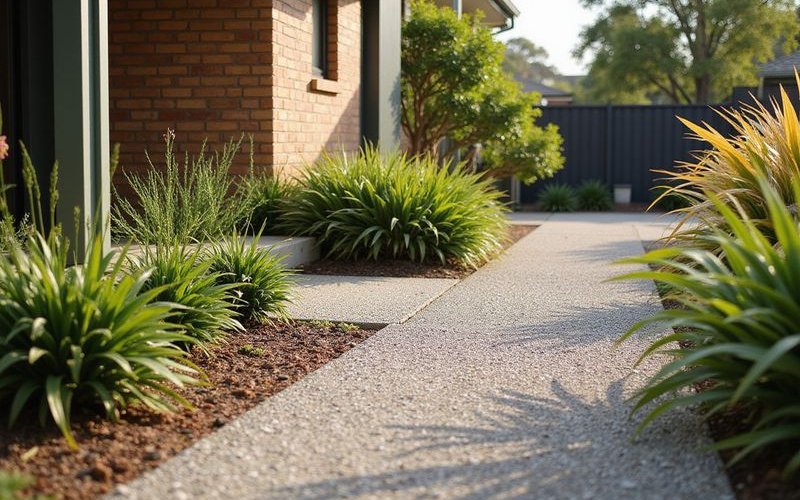
Nurseries display plants at their best – flowering, compact and attractive. This tells you nothing about how they’ll perform in your garden over years.
The Problem
Impulse plant purchases based on nursery appearance lead to:
- Plants unsuited to your conditions that struggle or die
- Species that outgrow their position rapidly
- Gardens lacking structure and cohesion
- Maintenance demands that weren’t anticipated
- No seasonal interest beyond brief flowering periods
The Solution
Research plants before purchasing:
- Understand mature size and growth rate
- Check hardiness for Melbourne conditions
- Consider year-round appearance, not just flowering
- Assess maintenance requirements honestly
- Think about how plants combine, not just individual specimens
- Plan for structure first, decoration second
Mistake 5: Underestimating Maintenance Requirements
Every garden requires maintenance. The question is how much, and whether it matches your available time and inclination.
The Problem
Gardens designed without realistic maintenance assessment become burdens. Extensive lawn needs weekly mowing. Hedges need regular trimming. Perennials need deadheading, dividing and replanting. What seems manageable in theory often proves overwhelming in practice.
The Solution
Be honest about maintenance capacity:
- How much time can you realistically spend on garden maintenance?
- Are you physically able to do the work required?
- Will you enjoy the maintenance, or resent it?
- What budget exists for professional maintenance?
- Consider how requirements will change as you age
Then design accordingly:
- Choose plants appropriate for your maintenance capacity
- Group plants by watering and care needs
- Install automated irrigation to reduce manual watering
- Consider low-maintenance alternatives (native meadows instead of lawns)
- Be realistic – if you hate mowing, don’t design around a large lawn
Bonus: Not Getting Professional Help
Perhaps the biggest mistake is trying to save money by avoiding professional design altogether. While not every project needs a landscape architect, significant garden investments deserve professional planning.
Why It Matters
Design fees typically represent 5-10% of total project costs but influence 100% of outcomes. A well-designed garden:
- Costs less to build (efficient planning reduces waste)
- Performs better long-term (appropriate plant selection and placement)
- Needs less maintenance (designed for manageability)
- Adds more property value (coherent design reads as quality)
- Avoids expensive corrections (mistakes are cheap on paper)
Getting It Right
The best gardens emerge from understanding site conditions, respecting scale, managing water, choosing appropriate plants and designing for realistic maintenance. Professional design guidance helps navigate these considerations and creates outcomes that delight for decades.
Ready to avoid these mistakes in your garden? Contact us for a consultation to discuss your project.